
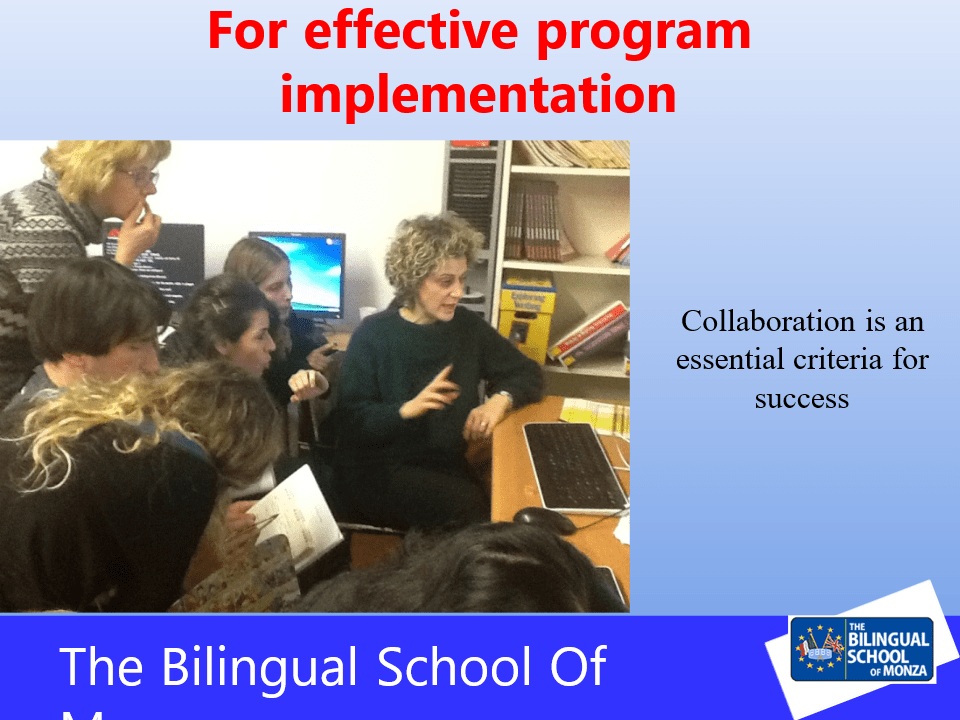
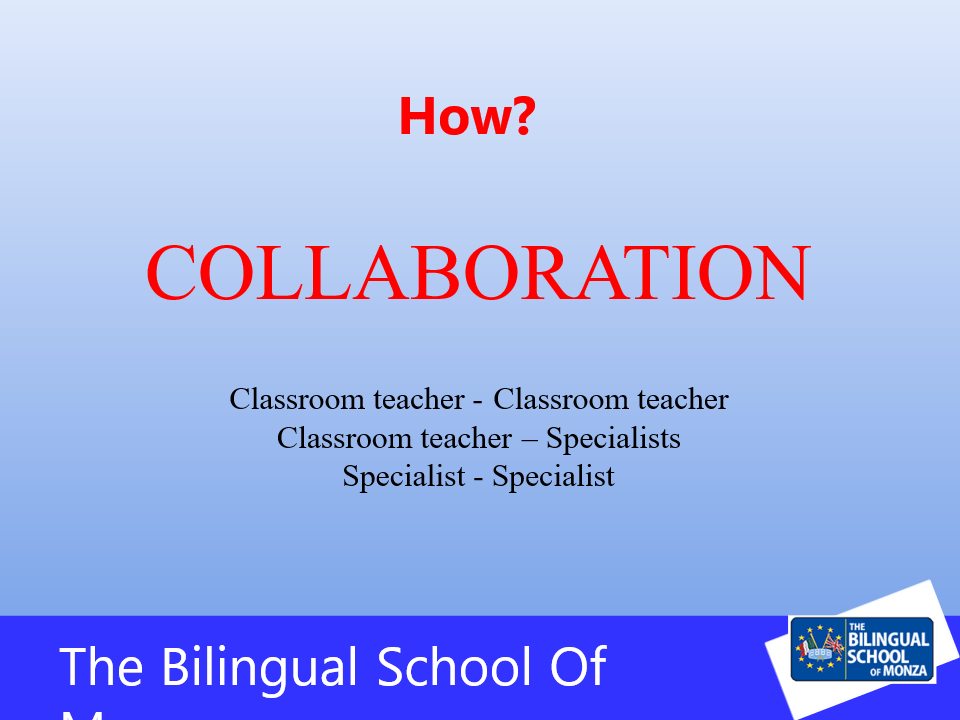
John Donne said. “No man is an island, entire of itself” and he could, indeed, have been talking about collaborative planning. There are several maxims which come into play here: two heads are better than one, many hands make light work etc. etc. The bottom line is collaborative planning is essential for good transdisciplinary learning.
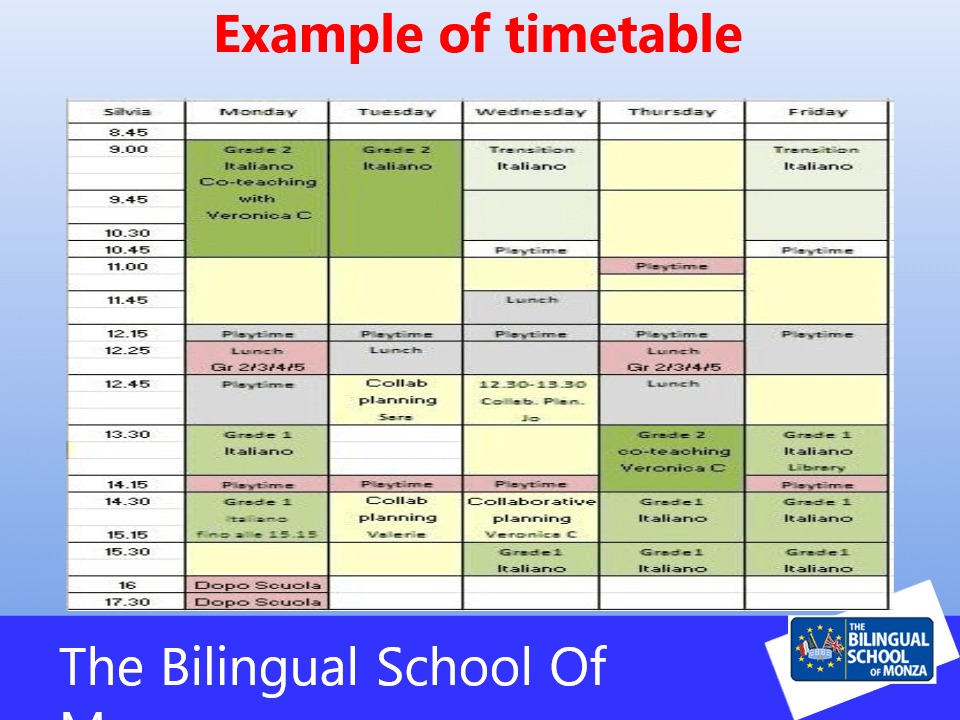
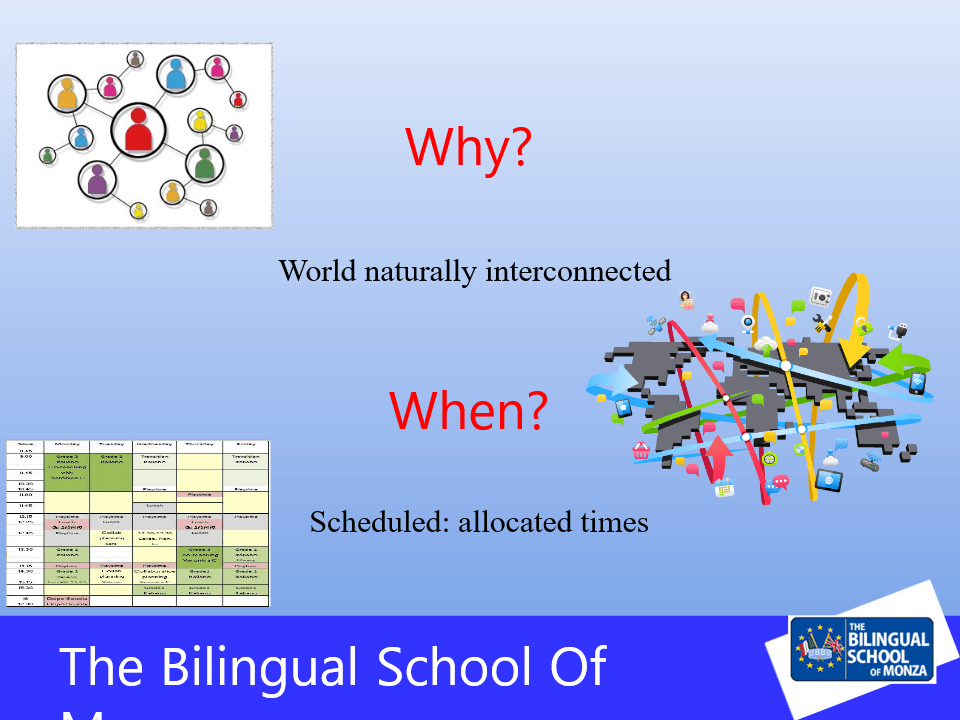
Collaborative planning doesn’t happen by accident. It needs to be planned for and given time. A good timetable will allow planning time for grade level teachers but also regular transdisciplinary planning with specialist teachers.
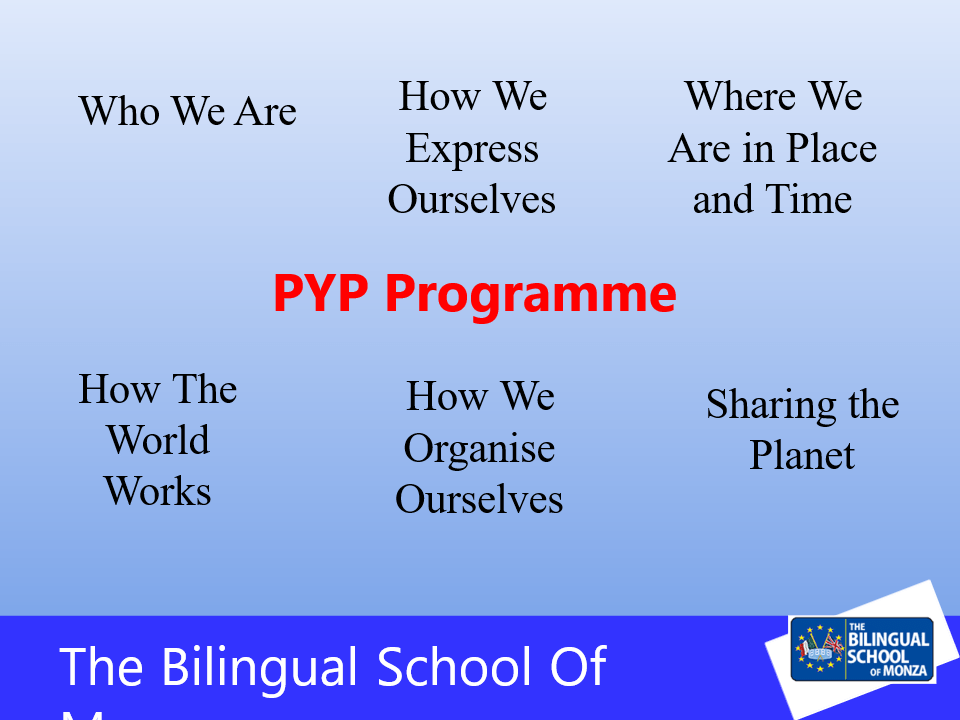
A seamless and truly transdisciplinary Programme of Inquiry can only be brought about by allowing time for staff to share ideas and work together.
Conference Presentation 2016
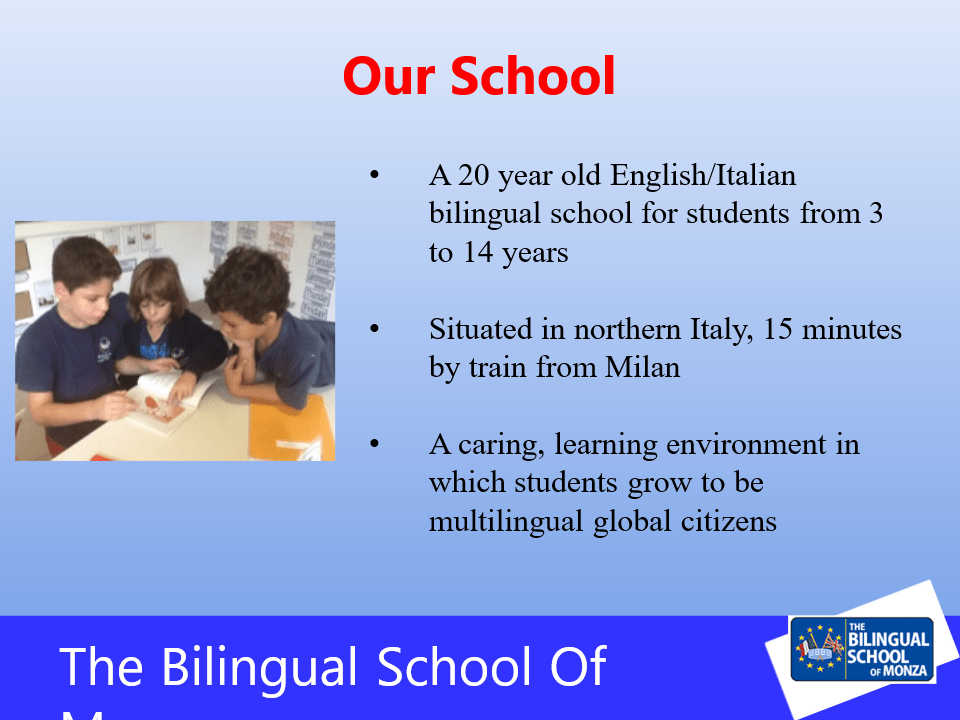
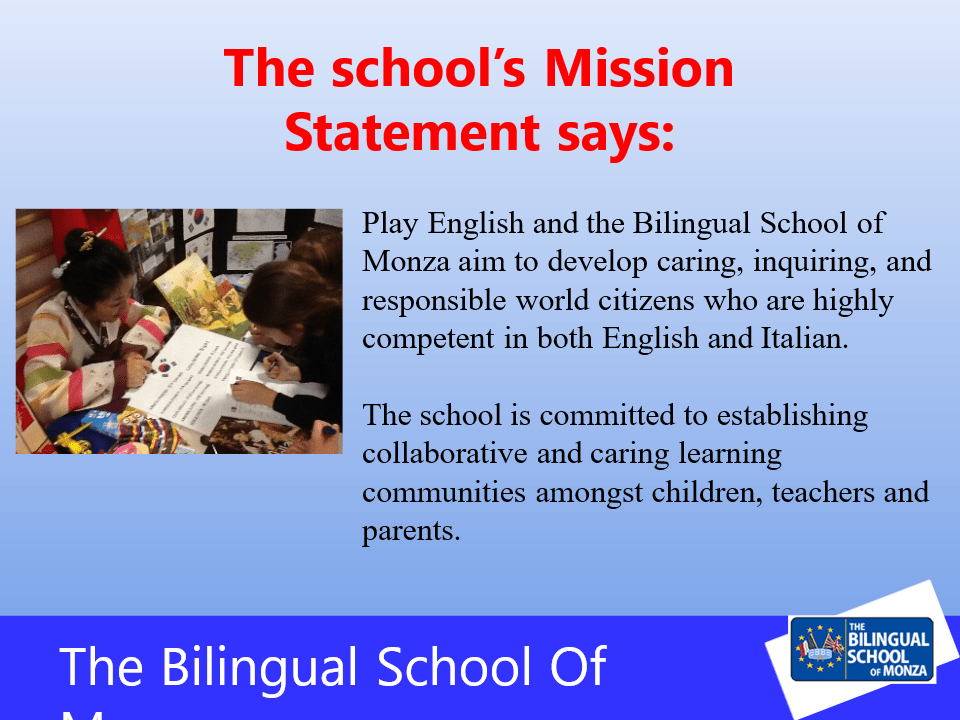
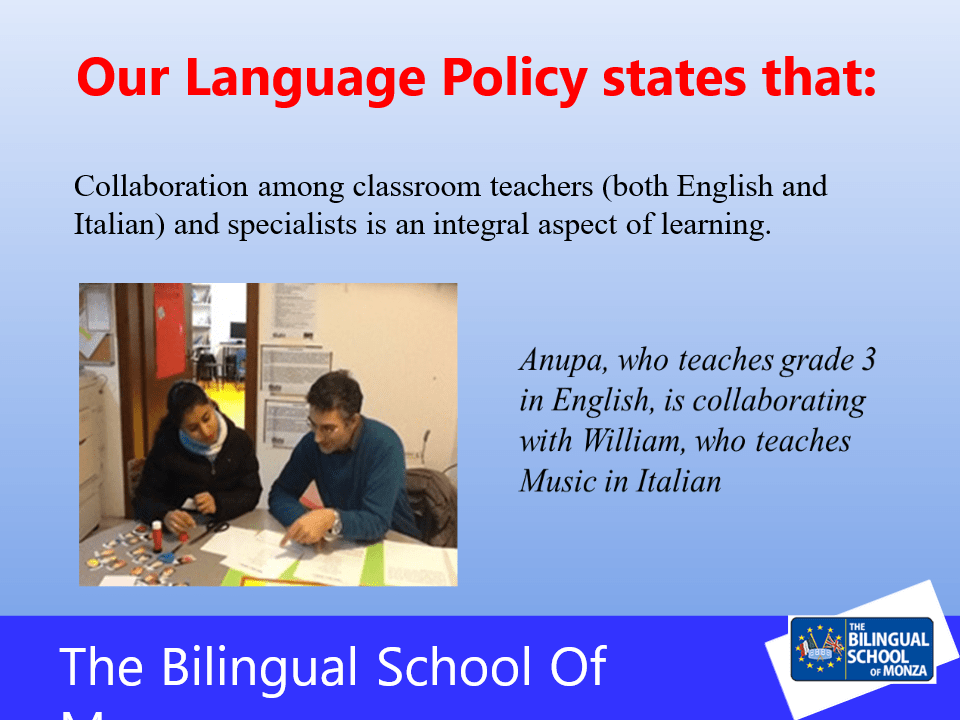
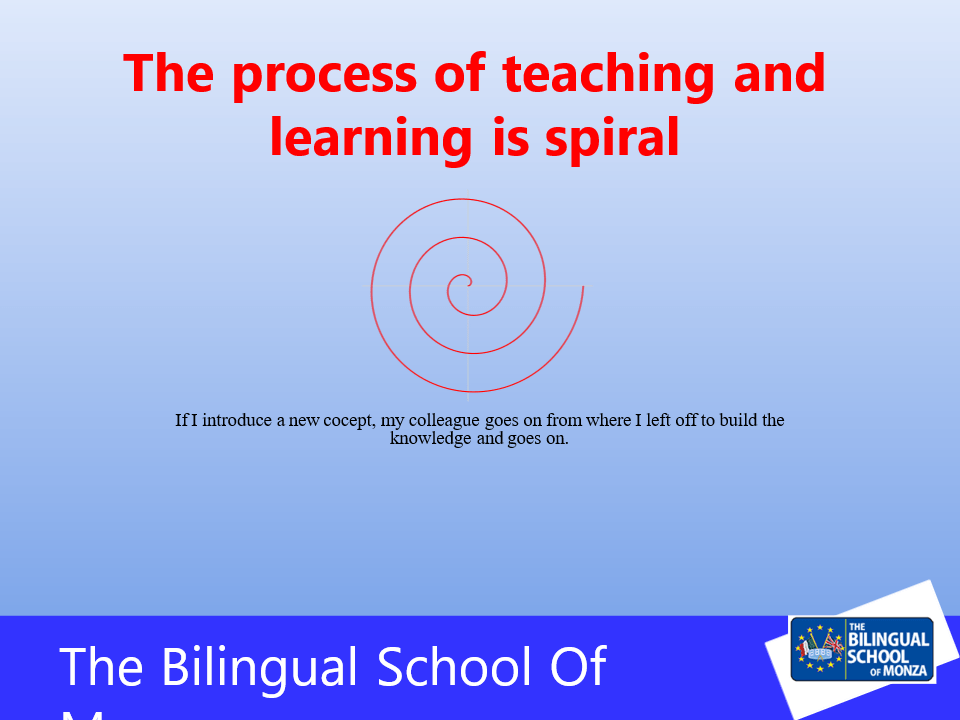
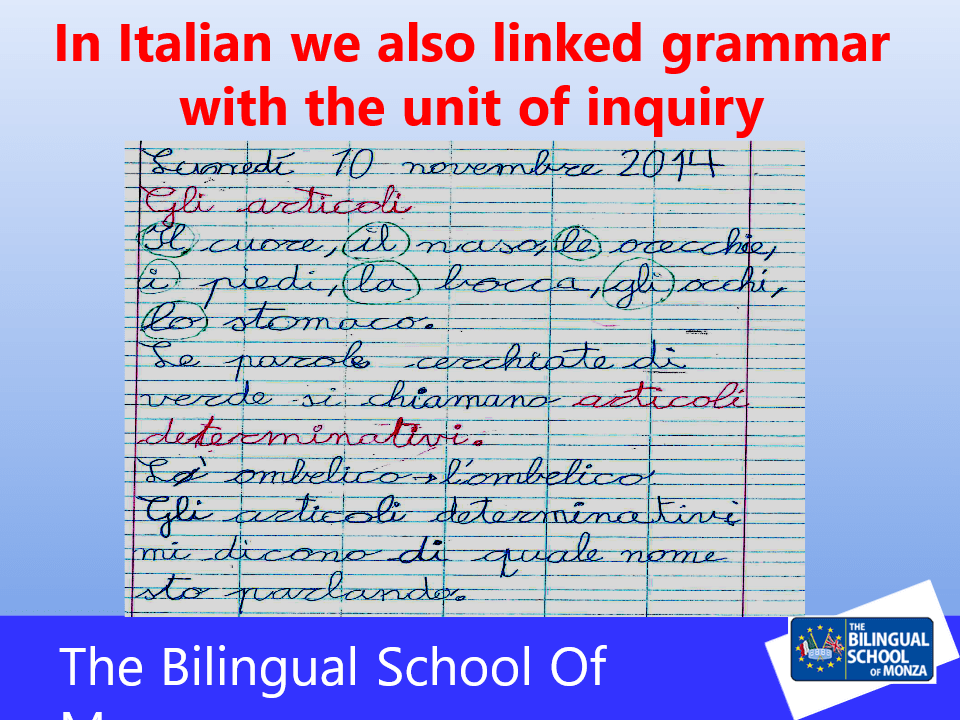
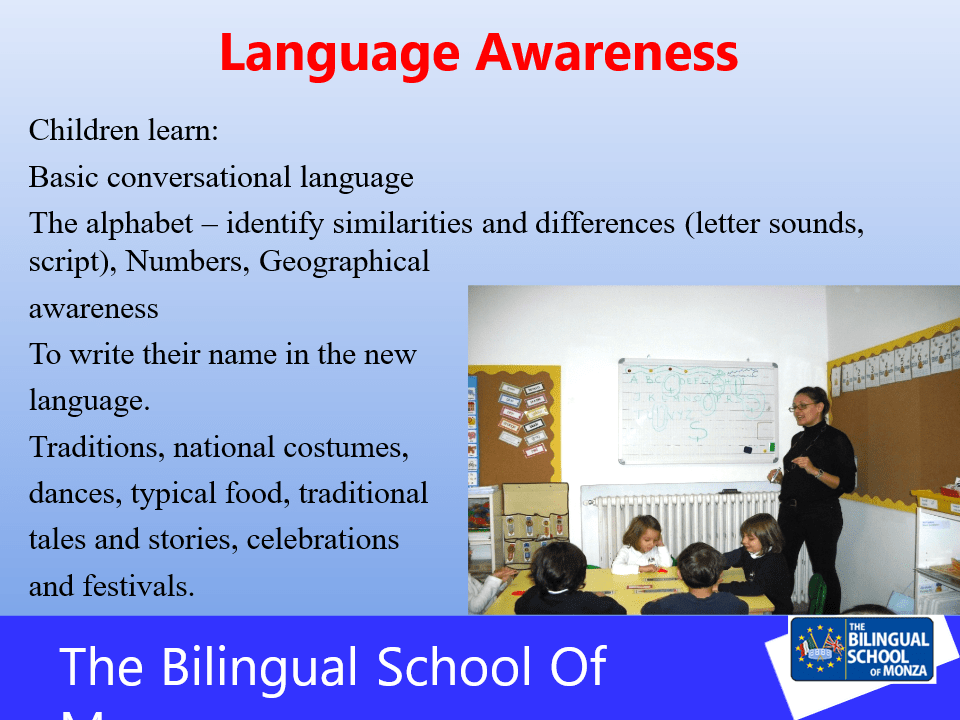
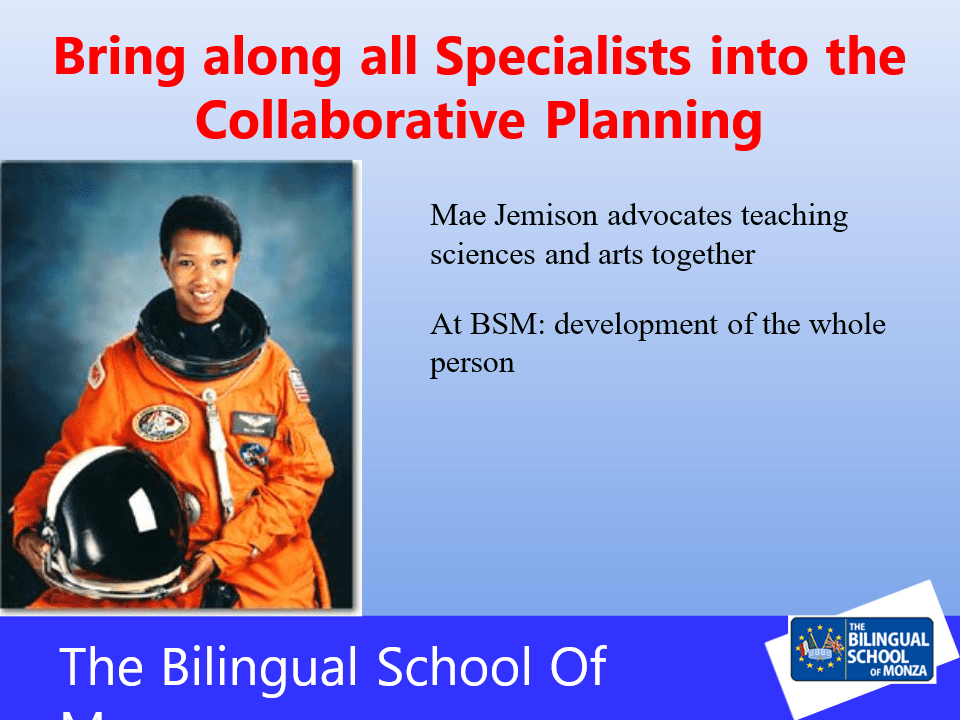
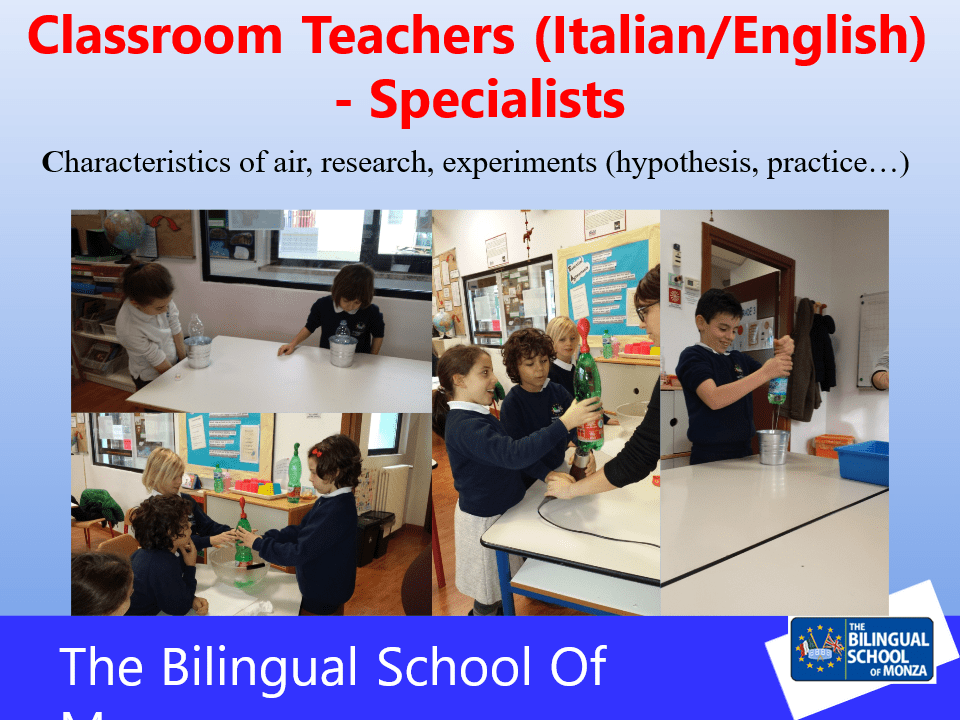
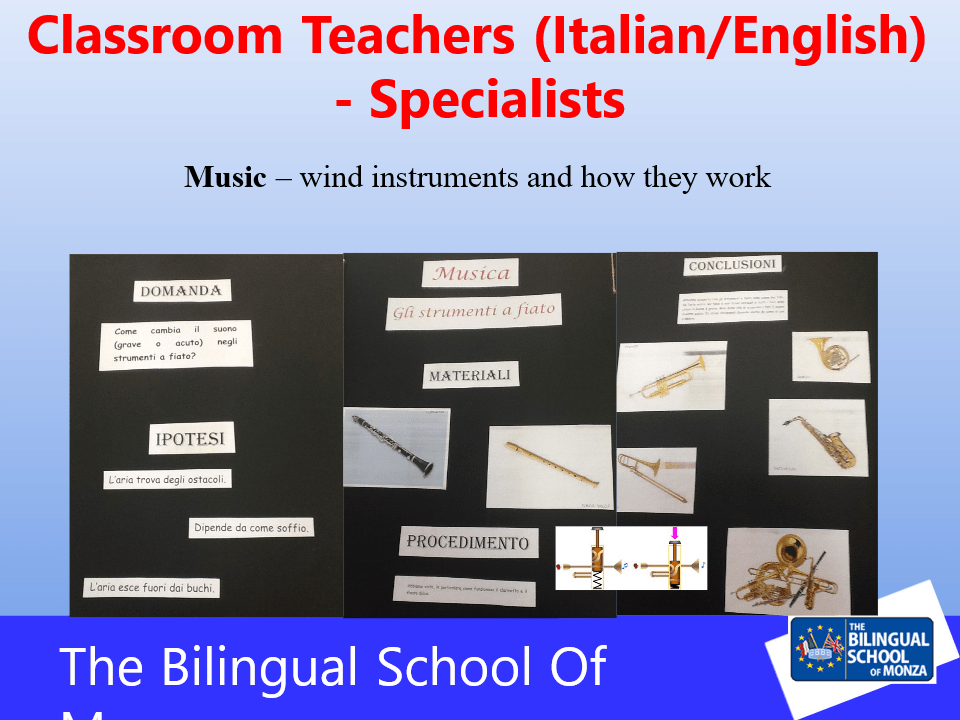
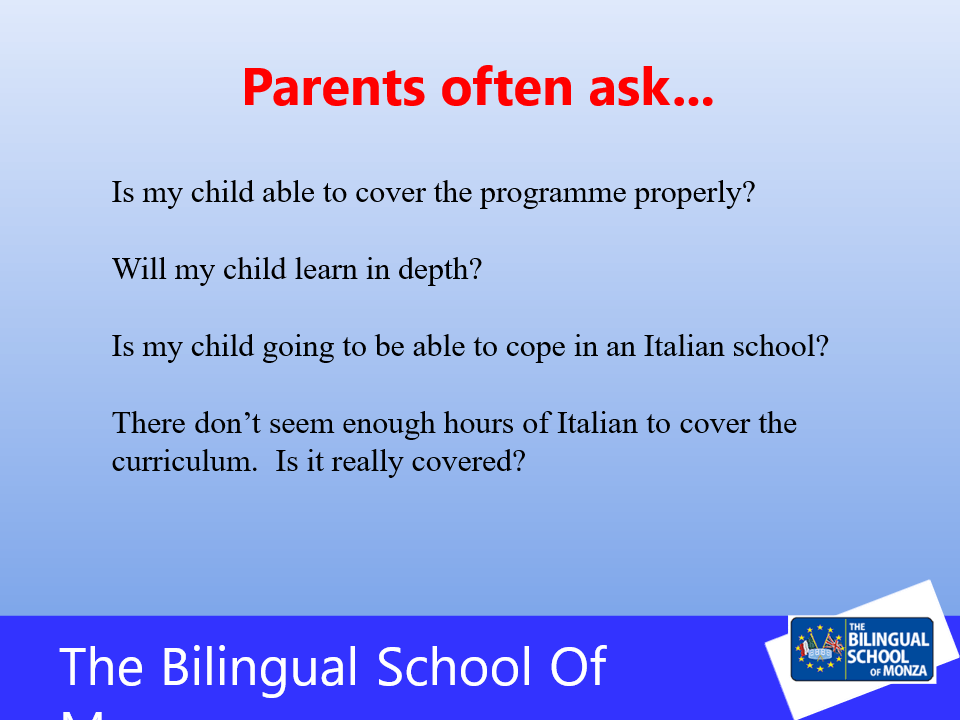
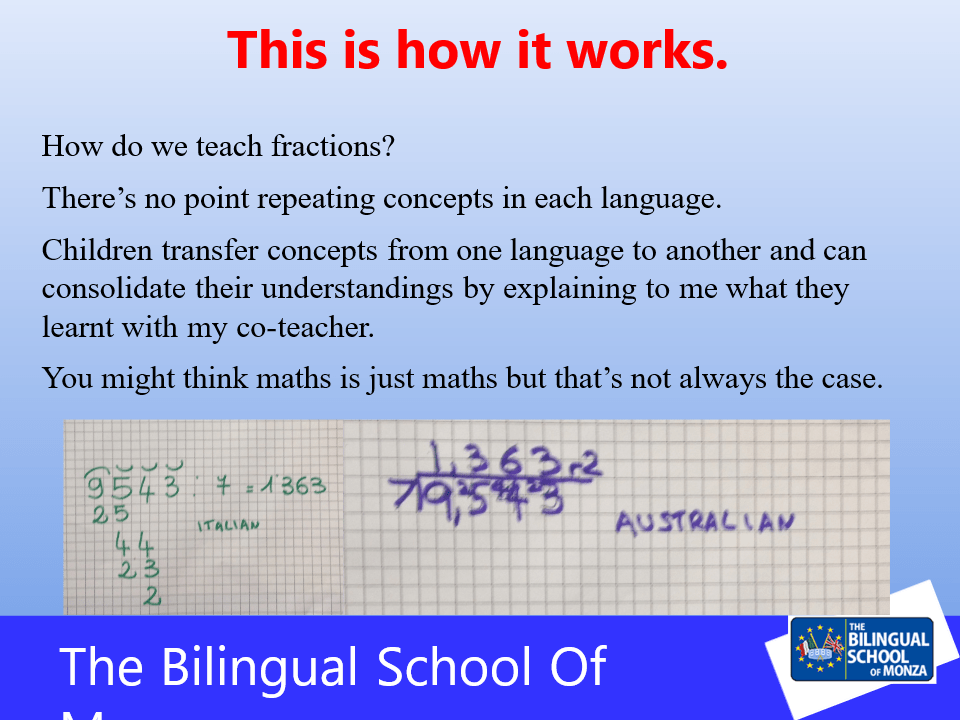
The slide show below provides information regarding the invaluable role that teacher collaboration played at The Bilingual School of Monza, an IB World School, north of Milan, Italy. The slides formed part of a conference presentation in 2016. The four participants also presented at the 2015 ECIS Mother Tongue and EAL Conference, now held under the banner of the Multilingual Learning Conference.





















Further reading
Shakenova, L. (2017). The theoretical framework of teacher collaboration.
2021 © K. Lottkowitz
 Kirsty Lottkowitz