“Parents should only ever speak to their children in their mother tongue” is an important motto for teachers of English to remember. Yes, English has become the 21st century’s lingua franca, however evidence shows that students who have a solid grounding in their mother tongue acquire other languages more easily.
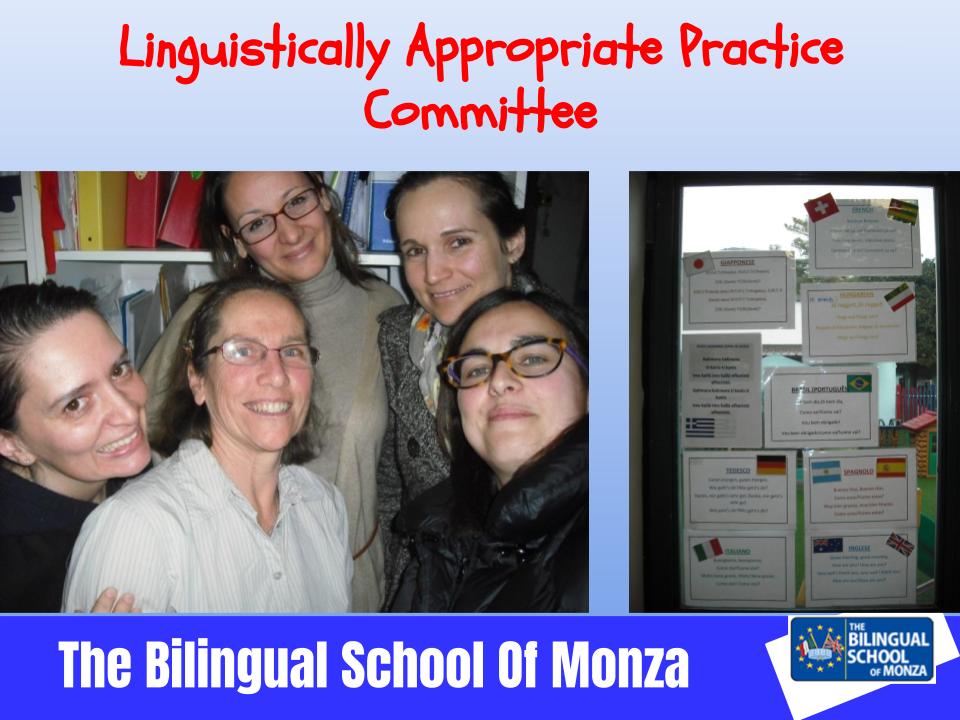
Respect for and promotion of mother languages in international schools not only helps with learning the language of instruction, but also gives students a sense of pride and belonging. Just as students have a right to see themselves in books, they also have a right to see themselves in their classroom.
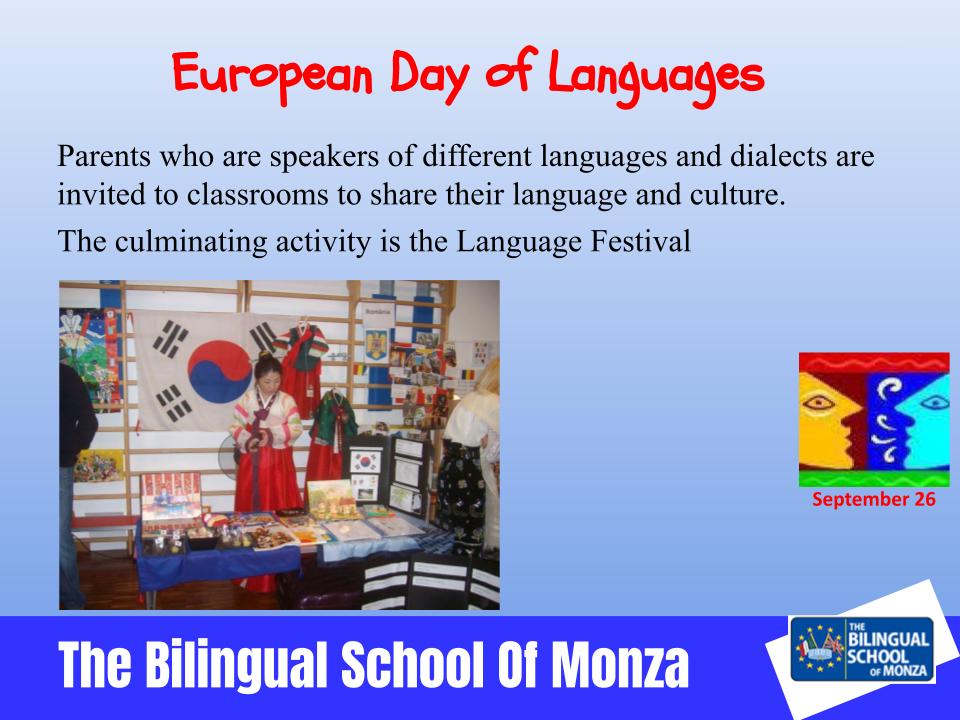
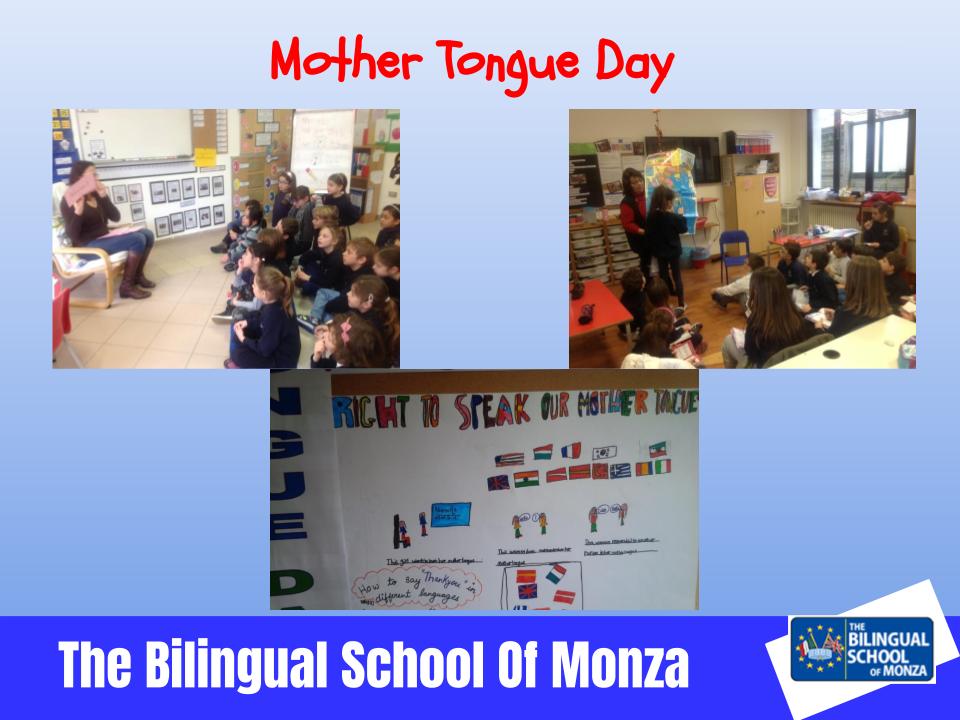
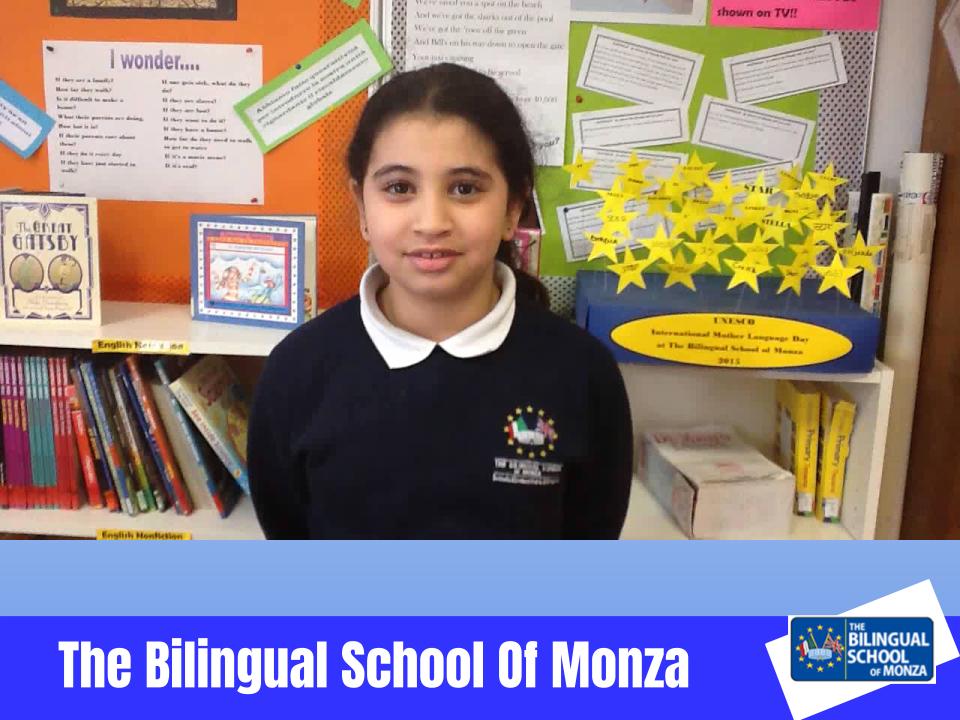
Celebration of UNESCO Mother Language Day, February 21st, and events such as a monthly “Mother tongue Monday” help students to feel connected to their culture and language wherever they are in the world.

























Further reading
García, O. (2020). Translanguaging and Transformative Teaching for Emergent Bilingual Students: Lessons from the CUNY-NYSIEB Project.García, O., & Otheguy, R. (2020).
2021 © K. Lottkowitz
 Kirsty Lottkowitz