
Have you ever wondered how four adults, raised by the same parents, can be so different?
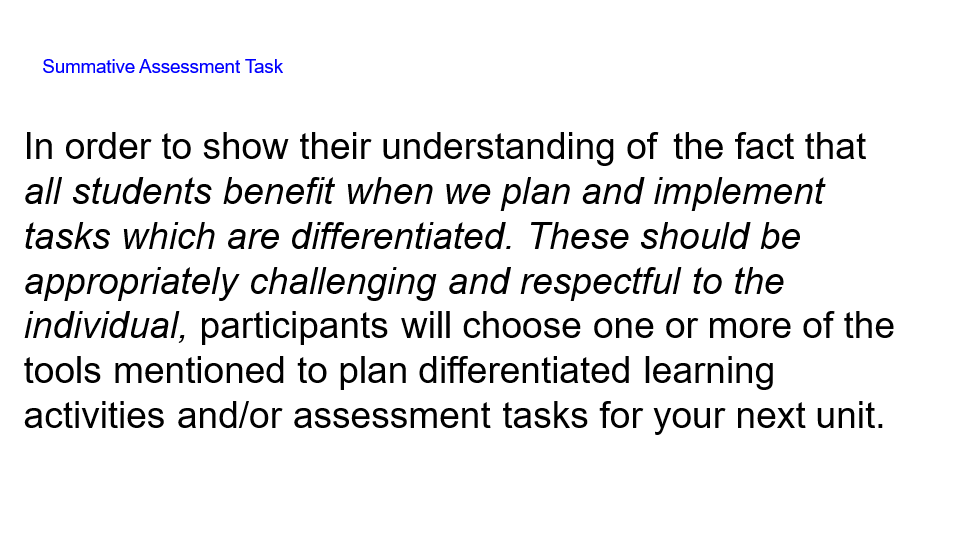
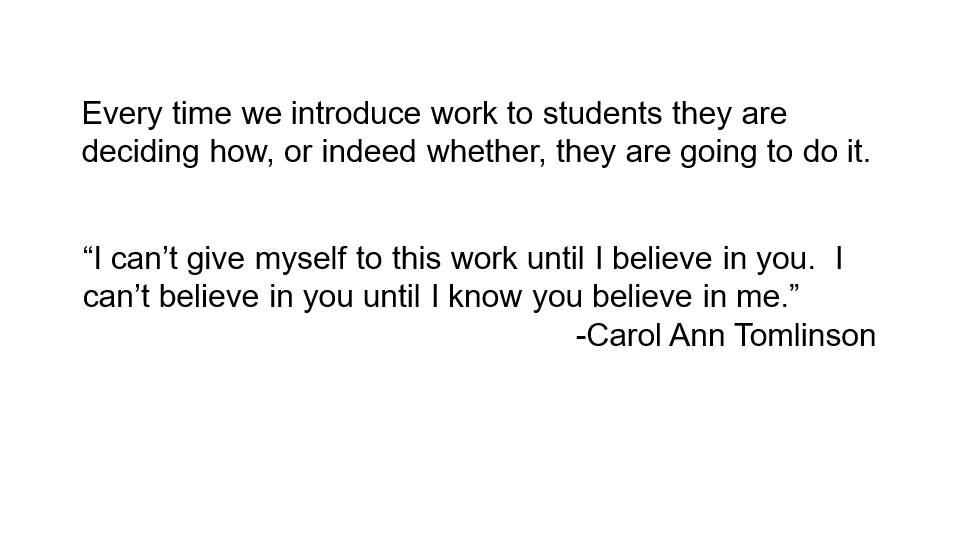
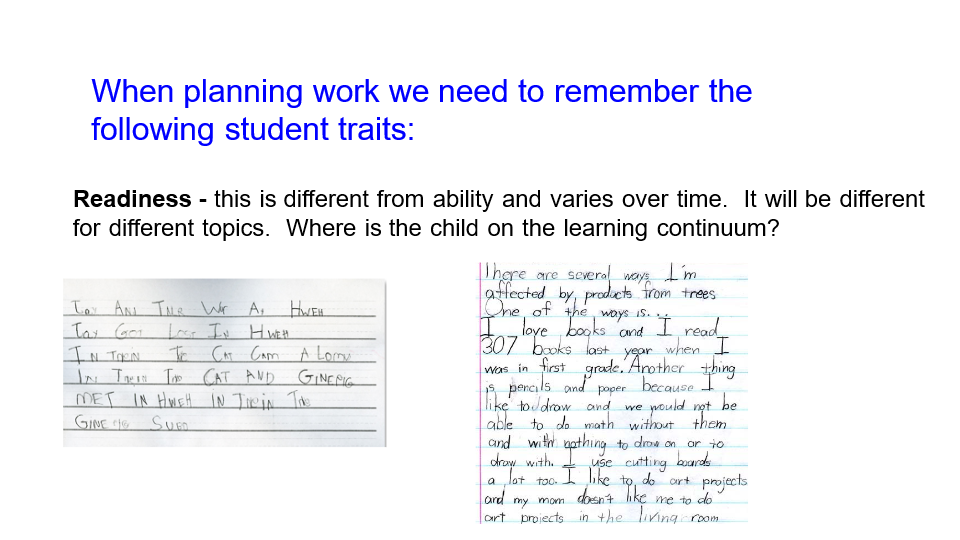
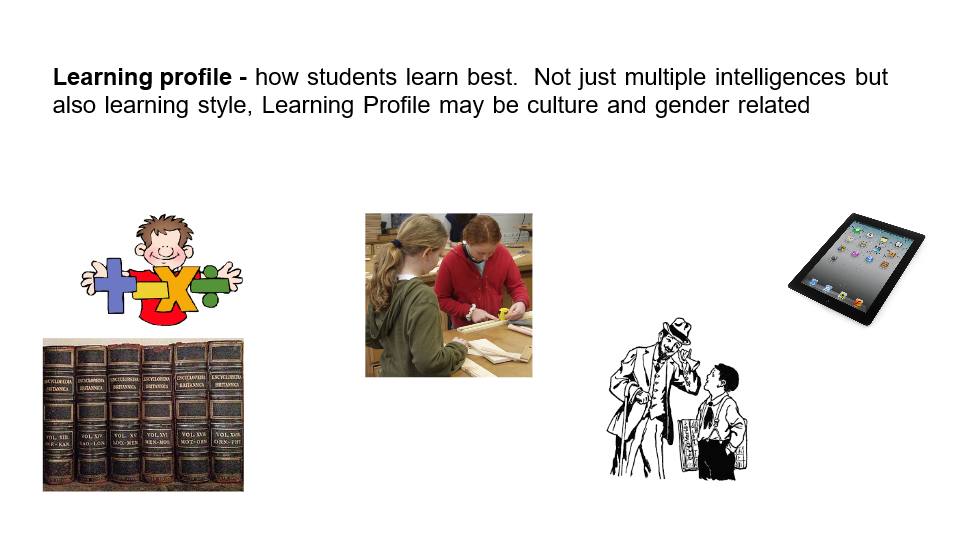
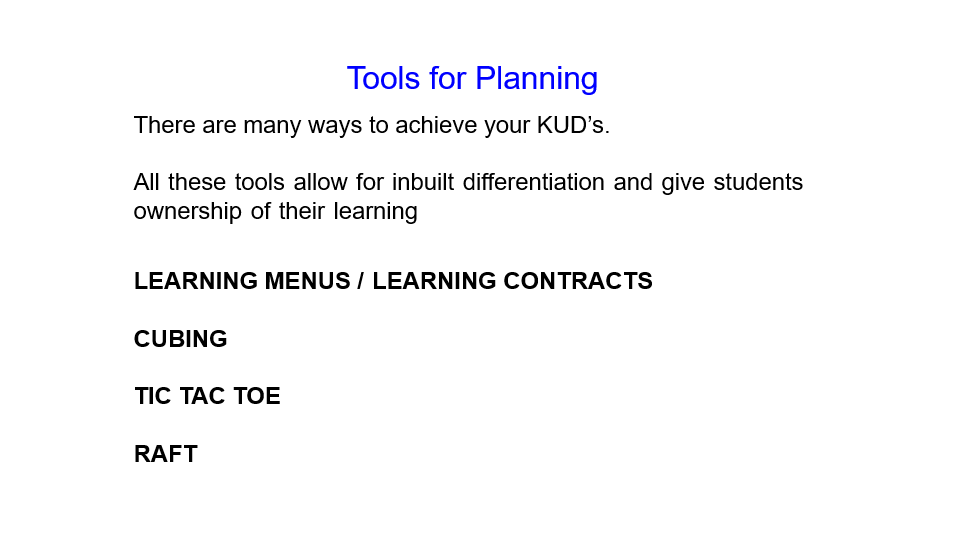
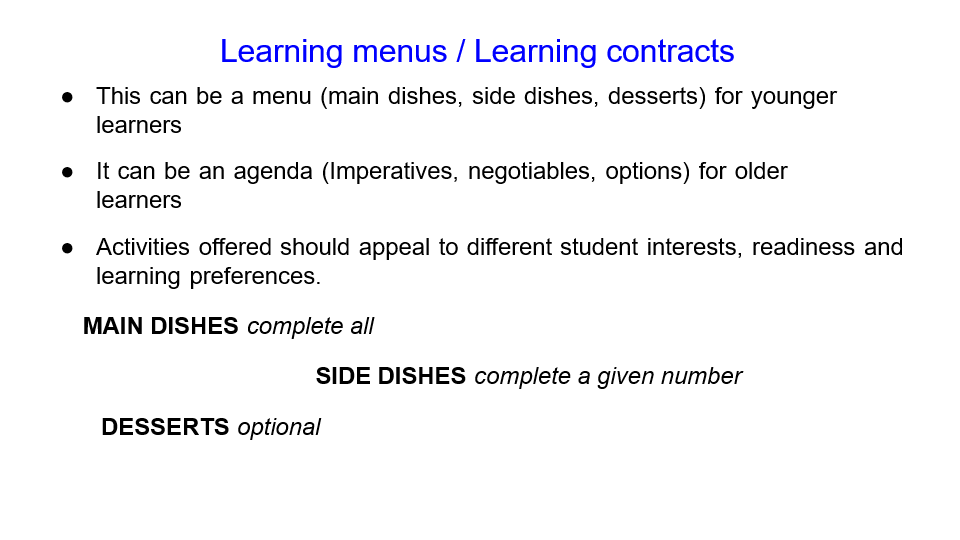
People truly are individuals and so are the students in any classroom. Assuming that a whole class of students will respond enthusiastically to, and thrive with, the same activities is a very outdated and unfortunate idea. Catering to all students in your classroom starts with truly knowing your children. It is partly to do with knowing which students will benefit from supported learning or extension but also to do with recognising students’ preferred learning styles and providing choices.
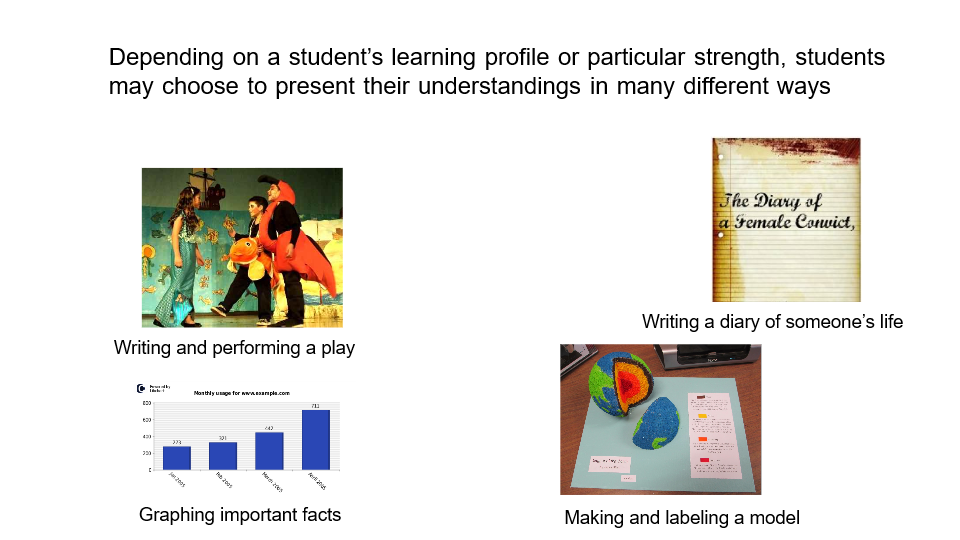
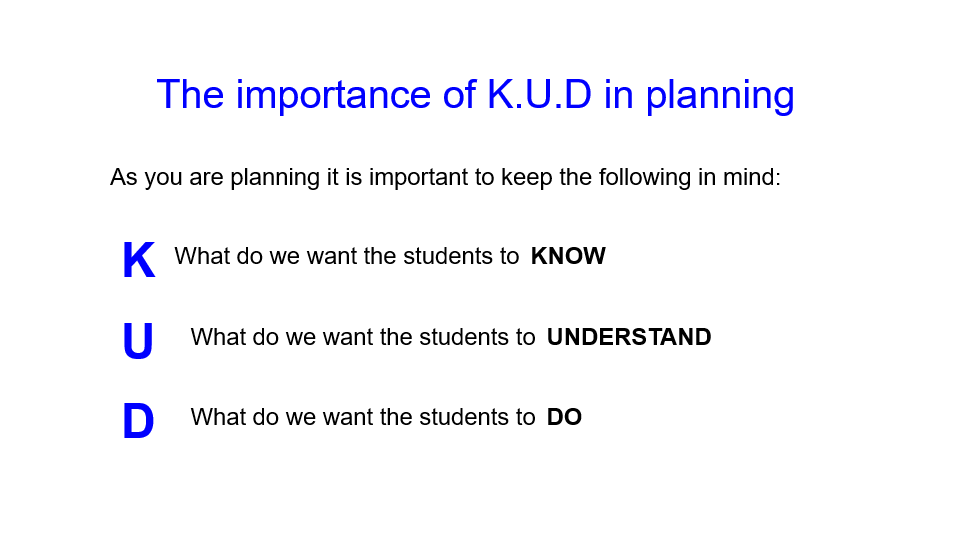
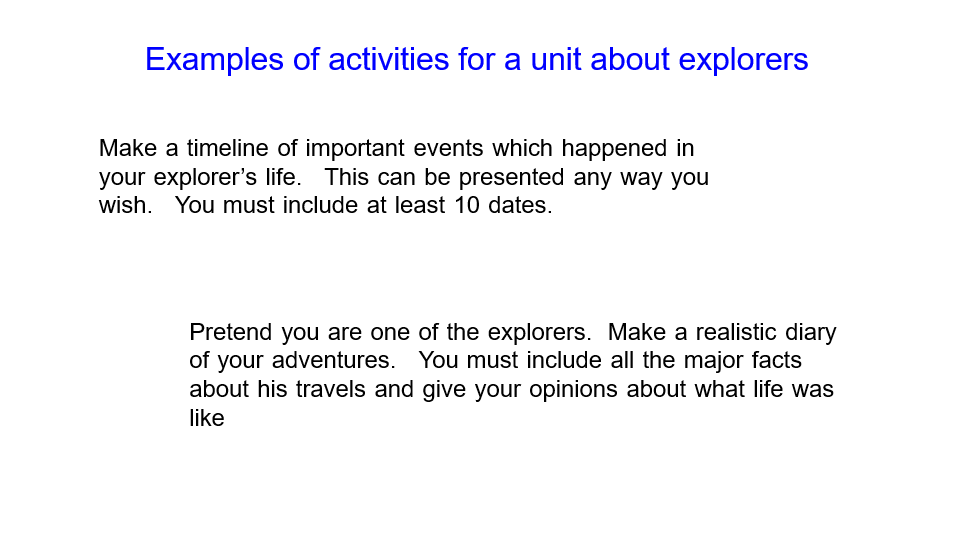
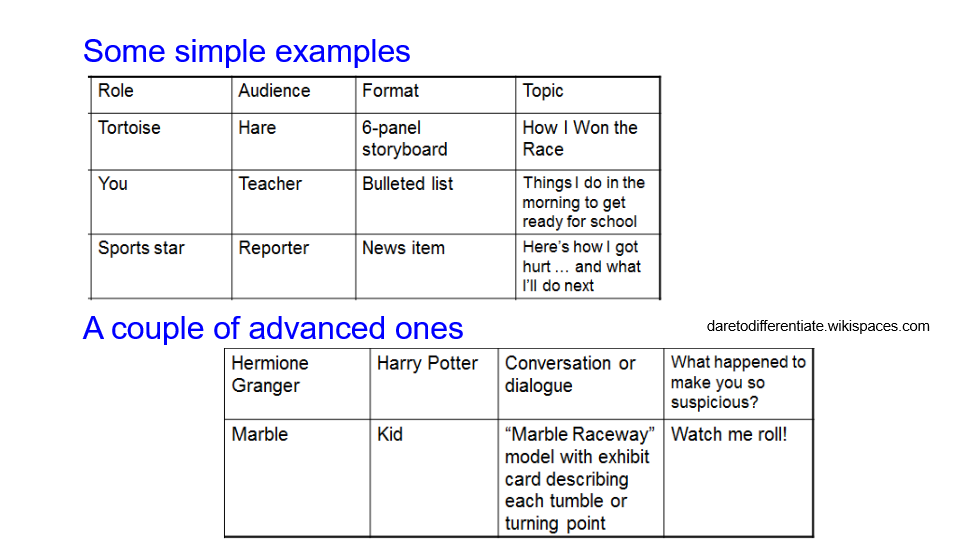
Having a clear understanding of desired learning outcomes, and understanding that there are “many ways to skin a cat” makes differentiation easier. If we want students to learn about what motivated an explorer, does it matter if someone makes a timeline of the explorer’s exploits or writes their biography?















Further reading
Tomlinson, C. A. (2017). How to differentiate instruction in academically diverse classrooms. ASCD.
2021 © K. Lottkowitz
 Kirsty Lottkowitz